

Why I Chose Pageantry: A Disabled Woman’s Perspective
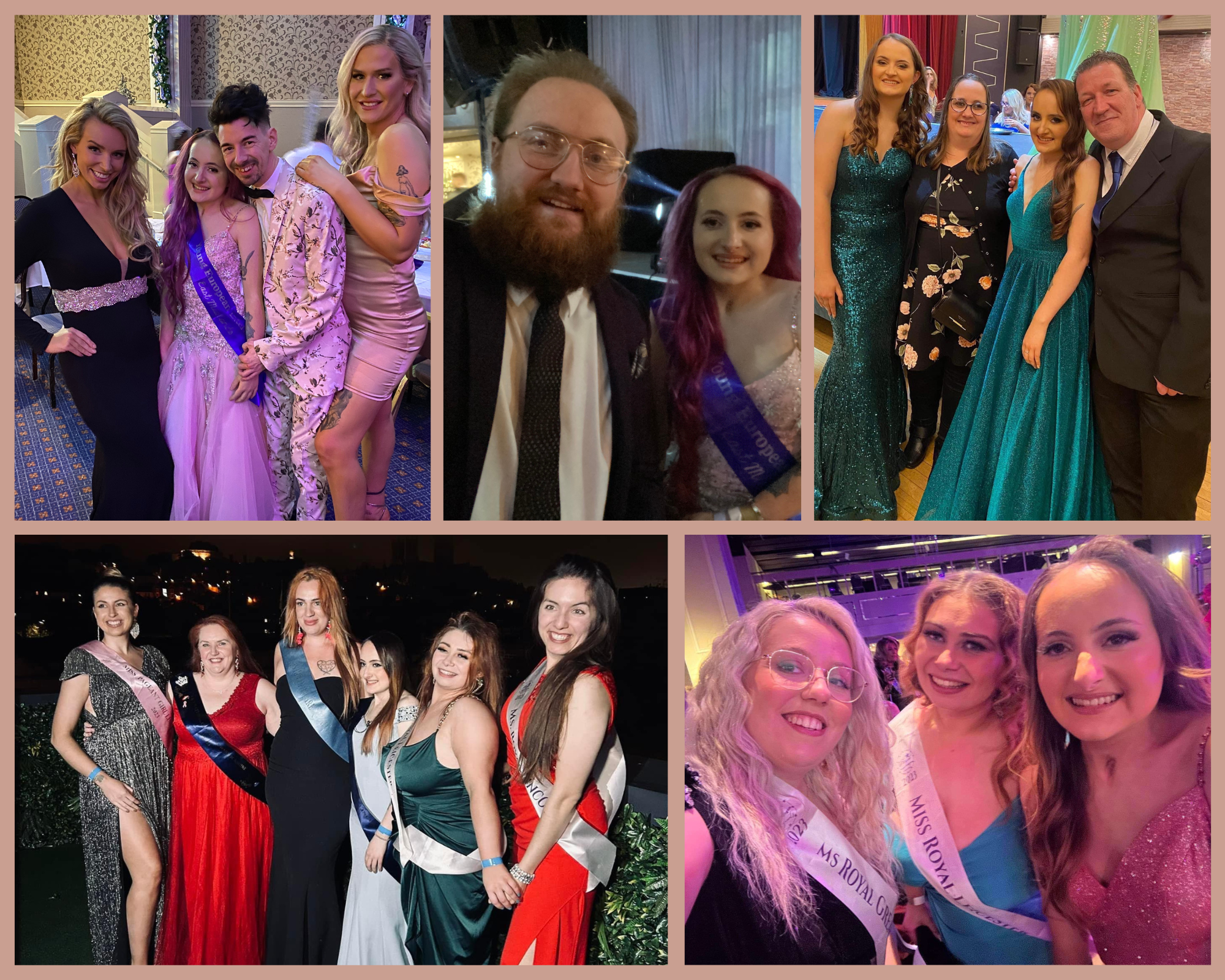
Just a few of my favourite photos from pageant events with my favourite people.
When most people think of pageants, they think of glitter, make-up, girls with perfect teeth, perfect hair, perfect… everything. They don’t tend to imagine a pageant girl like me — disabled. However, there are plenty of girls in the pageant community that don’t fit the pageant stereotypes because that’s all they are.
In reality, pageantry isn’t about beauty and competitiveness. It’s about sisterhood and having a platform to make the world a better place. For me, it’s about representation, empowerment, and taking up space, showing others with disabilities that anything can be possible.
When I entered my first pageant 7 years ago, I’ll be honest—I didn’t actually believe I could ever win. I thought that no matter how hard I worked, or how much I put into the competition and my advocacy, my disability would always be counted against me because I couldn’t achieve the perfect pageant walk or pose. I believed that the crown wasn’t something I could realistically achieve.
I have still never won a national title. That tends to confuse people because these days the crown doesn’t feel unrealistic. In fact, it feels more achievable than ever, but ‘Katie how can you feel that way when you’ve still never won after all this time?’ Here’s how…
I see my disability differently now. I see it as a superpower. I am no longer the girl who sees her disability as a barrier. I see it as an opportunity to make a difference. I don’t compete, wondering if I belong. I compete knowing that I DO!
Now, I have a bigger vision than myself: to become the first national titleholder with a physical and visible disability. Not because I want to be the exception, but because I want to break the stereotypical mold that society says we have to fit into to be successful, not just in pageantry, but in all aspects of life.
It is said a lot, but REPRESENTATION MATTERS. If one person, disabled or otherwise, sees me on that stage and believes in their dreams and their capability of achieving them, then I know I have done my job, and that would be a win in itself.
The truth is, we are still far too behind when it comes to disability equality, which isn’t right in 2025. Too often, disabled people are still excluded from spaces where success, beauty, and talent are celebrated. Pageantry gives me the platform to challenge that and flip it on its head, sparking conversations and advocating so that people like me can take up space in industries (like pageantry) that have been inaccessible for us for far too long.
Pageantry has taught me so much — confidence, resilience, self-belief. I will be a part of the industry for as long as it takes to make disabled queens be seen, not as an anomaly, but as any other winner would be seen.
I will be taking to the stage in a little over a month (announcement still pending), and I am ready to make history. However, if I don’t win, it’s still a step closer. Every time I step on a pageant stage, progress is being made, and I am proud of that.
Despite everything I have said, representation and the journey to equality aren’t a one-person fight. For equality to exist, everyone must play a part in it. We all have a role to create a world where disabled people are visible, valued, and accepted — not just in pageantry, either. It goes for every industry.
So I leave you with an invitation — challenge stereotypes whenever you see or hear them, celebrate diversity whenever you can, and most importantly, make room for voices that too often go unheard. Listen to people’s stories, share them where you are able. Every small action makes a difference.
